
10 mm toughened glass price
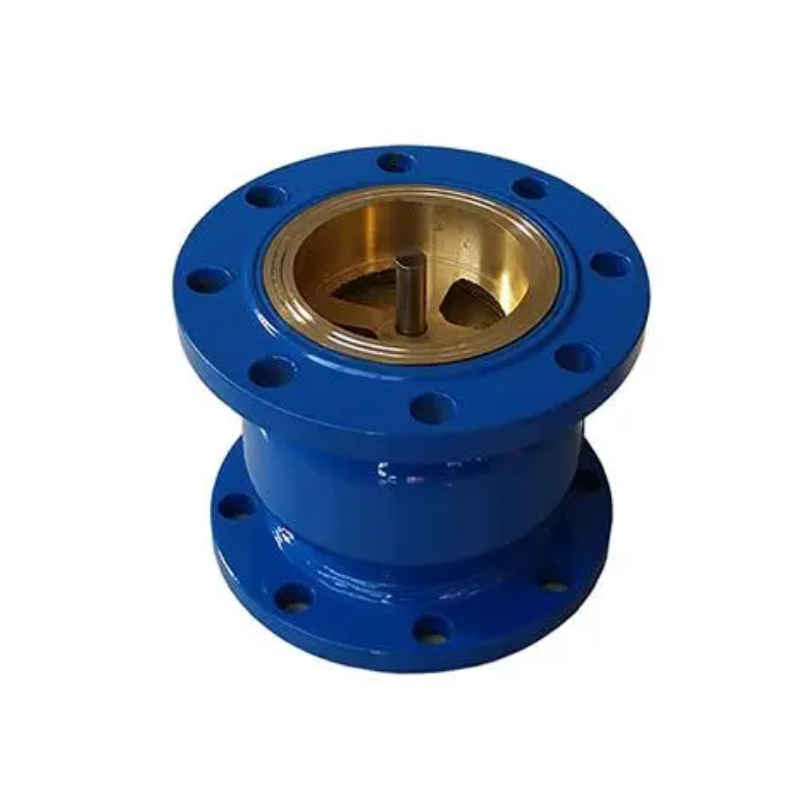
Understanding the 63mm Gate Valve An Essential Component in Fluid Control Gate valves are integral to many industrial applications, serving a critical role in the management and regulation of fluid flow. Among the various sizes and types of gate valves, the 63mm gate valve stands out for its versatility and efficiency. In this article, we will explore the features, benefits, and applications of the 63mm gate valve, shedding light on why it is essential in various industries. What is a Gate Valve? A gate valve is a type of valve used to control the flow of liquids and gases in a pipeline. It operates by raising or lowering a gate mechanism, which can either fully open or completely close the flow of fluid. This design minimizes pressure loss and provides a smooth flow, making gate valves highly effective for applications where full flow is essential. Features of the 63mm Gate Valve The 63mm gate valve is designed to accommodate pipes with a nominal diameter of 63 millimeters. Typically constructed from durable materials such as cast iron, brass, or stainless steel, these valves offer robust performance even in challenging environments. They feature a simple yet effective design, which includes 1. Rugged Construction Designed to withstand high pressure and temperature variations, making them suitable for a range of applications. 2. Ease of Operation The operation mechanism, often handwheel or gear-driven, allows for smooth opening and closing, facilitating rapid flow control. 3. Low Flow Resistance The straight-through design ensures minimal turbulence and pressure drop, which is critical in maintaining system efficiency. Benefits of Using a 63mm Gate Valve gate valve 63mm 1. Reliability With their straightforward design and fewer moving parts, gate valves are known for their reliability and long service life. This makes them a preferred choice in critical applications. 2. Versatility The 63mm size makes these valves suitable for various hydraulic applications, whether in water supply systems, sewage treatment plants, or industrial processes. 3. Cost-Effectiveness While the initial investment may vary, the long-term savings on maintenance and downtime make gate valves a cost-effective solution. 4. Minimal Leak Potential When fully closed, the design of the gate valve significantly reduces the chance of leaks, ensuring safety and efficiency in fluid control. Common Applications The 63mm gate valve finds use in numerous sectors, including - Water Supply and Distribution Essential in municipal water systems for controlling flow and maintaining pressure. - Fire Protection Systems Used in fire hydrant systems to regulate water supply effectively. - Industrial Processes Commonly found in chemical processing, oil and gas applications, and power generation plants. Conclusion In conclusion, the 63mm gate valve plays a vital role in fluid management across various industries. Its reliability, versatility, and efficient design make it an essential component in ensuring smooth and controlled fluid flows. As industries continue to evolve, the importance of such valves in optimizing operations and maintaining safety cannot be overstated. From municipal water systems to complex industrial applications, the gate valve remains a cornerstone of modern engineering solutions. Investing in high-quality gate valves is not merely about compliance but about enhancing operational efficiency and ensuring long-term reliability.
about
10 mm toughened glass price
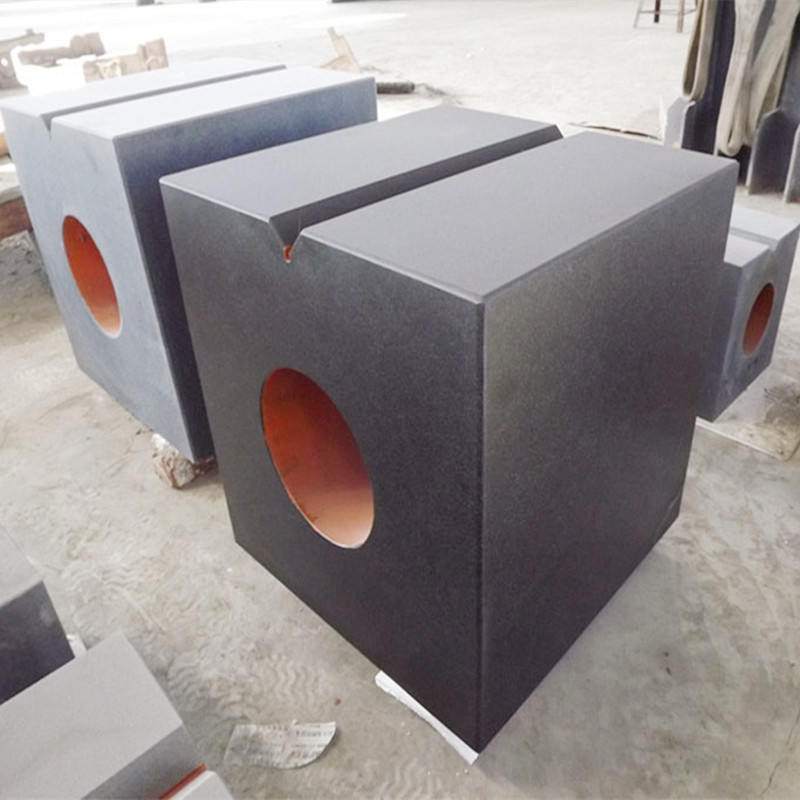
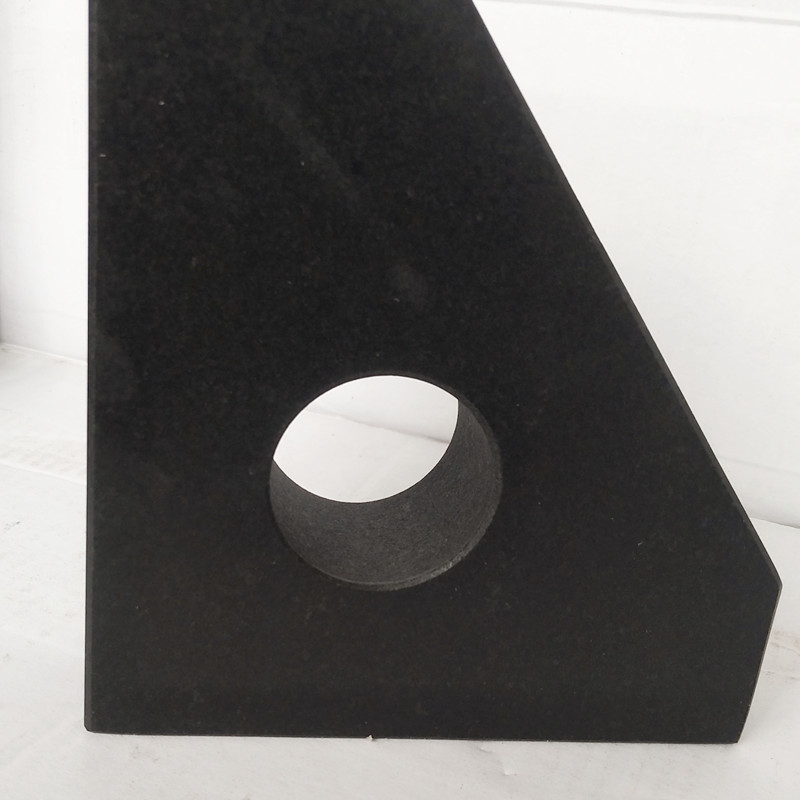
The Importance of Granite Angle Plates in Precision Engineering In the realm of precision engineering and manufacturing, maintaining accuracy and stability during the measurement and machining processes is paramount. This is where granite angle plates come into play. Renowned for their durability and precision, granite angle plates have become indispensable tools for engineers, machinists, and quality assurance professionals alike. Granite angle plates are essentially flat, rectangular stones made from natural granite, polished to achieve a smooth surface finish. They are typically used as a reference surface for measurement and assembly tasks, providing a robust and stable platform for various applications. One of the standout features of granite as a material is its dimensional stability, which means that it does not expand or contract significantly with changes in temperature or humidity. This property is crucial when working with high precision machinery, where even the slightest deviation can lead to errors in measurements and outcomes. A key application of granite angle plates is in the alignment and setup of machines and workpieces. During machining processes, ensuring that components are positioned accurately is essential for achieving the desired results. Granite angle plates serve as a reliable reference surface for aligning parts, helping to avoid misalignment issues that could compromise the quality of the final product. Their durability allows them to withstand the rigors of industrial environments, making them a long-lasting investment for manufacturers. granite angle plate Moreover, granite angle plates contribute significantly to the inspection and quality control processes. In manufacturing, precision is non-negotiable; hence, the need for accurate measurements is vital . These plates provide a stable surface for the placement of items being measured, ensuring consistent results. Inspectors often employ granite angle plates in conjunction with precision measuring tools such as calipers and dial gauges to verify the dimensions and tolerances of machined components. The flatness and smoothness of the granite surface minimize the risk of errors that could arise from warping or uneven surfaces. Apart from their technical advantages, granite angle plates are also aesthetically pleasing. The natural beauty of granite, with its unique patterns and colors, adds an element of sophistication to workshops and inspection areas. This visual appeal, combined with their functional benefits, makes granite angle plates not just tools, but also a symbol of craftsmanship and quality in the engineering field. In terms of maintenance, granite angle plates are relatively easy to care for. Regular cleaning and the application of a protective surface coating can help preserve their integrity and accuracy over time. It is important to handle them with care to prevent chipping or cracking, as these can impact their performance and measurement capabilities. In conclusion, granite angle plates play a crucial role in the field of precision engineering. Their inherent properties, such as stability and durability, make them essential for alignment, assembly, and quality control processes. As industries continue to demand higher levels of accuracy and consistency, the relevance of granite angle plates remains unwavering. For engineers and machinists aiming for precision in their work, investing in a quality granite angle plate is not just a choice; it is a necessity for achieving excellence in manufacturing and engineering practices. Whether used in small workshops or large-scale production facilities, granite angle plates symbolize the intersection of quality, reliability, and precision in the world of engineering.
-

High quality industrial productsagement

High quality industrial products
View Details -

Meet the diverse needs of customers

Meet the diverse needs of customers
View Details -

Strict quality control

Strict quality control
View Details -

Top raw materials

Top raw materials
View Details -

Trusted supplier

Trusted supplier
View Details
Our application
news and information
Y Strainer Flange Type - Enhance Your Pipeline Efficiency
The Importance of Y Strainer Flange Type in Fluid Management In the world of fluid management, ensur
Valvola di ritegno da 4 pollici
La valvola di ritegno da 3 4 pollici è un componente essenziale nei sistemi idraulici e pneumatici.

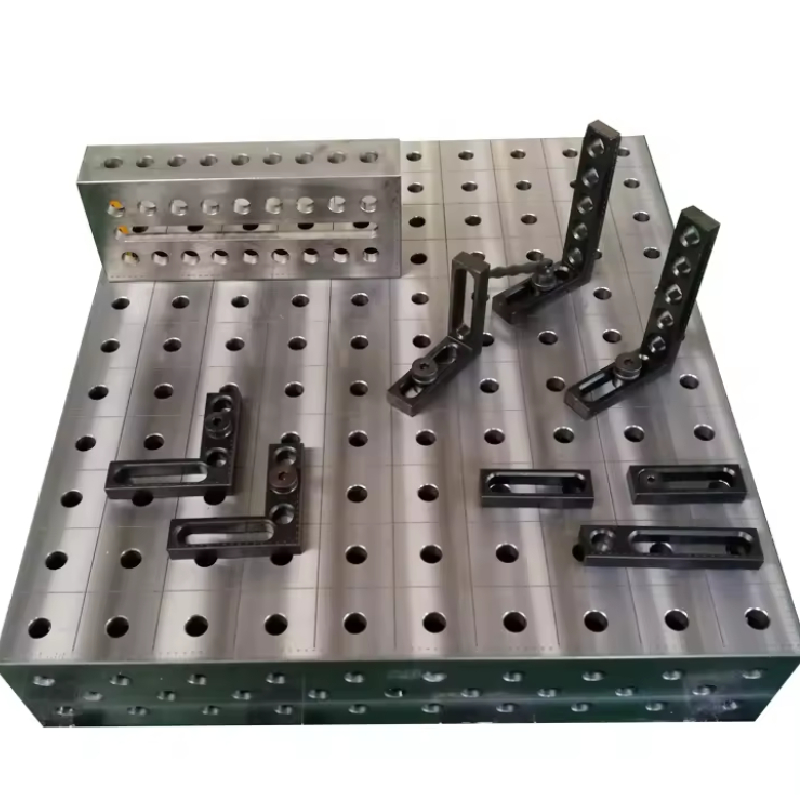
Welding Fabrication Table for Streamlined Metalworking Processes and Efficiency
Understanding Welding Fabrication The Importance of the Welding Fab Table Welding fabrication is a c
 English